Corrugated Sheet Australia: Top Choice for Durable Roofing and Cladding Solutions
The construction and agricultural industries in Australia rely heavily on durable and weather-resistant building materials. Among the most widely used materials is the Corrugated Sheet, known for its strength, versatility, and cost-effectiveness. Whether used for roofing, wall cladding, fencing, or farm structures, corrugated sheets have become a preferred solution across residential, commercial, and rural construction projects.
With Australia’s harsh climate conditions—including strong sunlight, heavy rain, coastal humidity, and wind—builders and property owners require materials that can withstand extreme environments. A high-quality Corrugated Sheet offers excellent structural strength, corrosion resistance, and long service life, making it an ideal choice for the Australian market.
This guide explores the advantages, specifications, applications, and purchasing considerations for corrugated sheets, helping buyers understand why they remain one of the most popular building materials in Australia.
What Is a Corrugated Sheet?
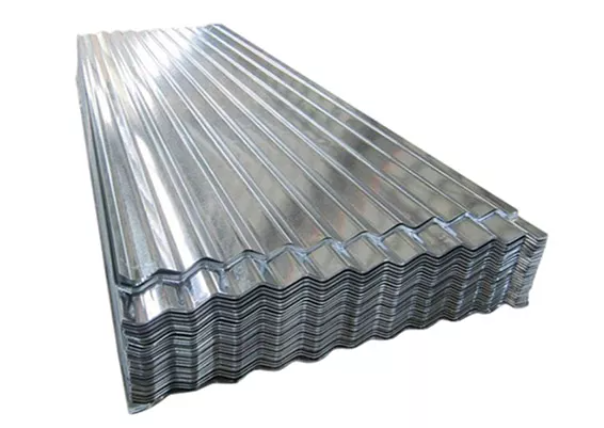
A Corrugated Sheet is a metal sheet formed with a repeating wave-like pattern that increases structural strength and rigidity. The corrugated shape allows the sheet to support heavier loads while using less material compared with flat metal sheets.
These sheets are commonly manufactured from:
Because of their lightweight structure and strong load-bearing capacity, Corrugated Sheet products are widely used in roofing and wall construction.
Why Corrugated Sheets Are Popular in Australia
Australia has a large demand for reliable building materials for both urban construction and rural infrastructure. The Corrugated Sheet has become a preferred material for several important reasons.
Excellent Weather Resistance
Australia’s climate can vary significantly, from hot desert regions to humid coastal areas. Corrugated sheets provide strong resistance against:
heavy rainfall
UV exposure
wind pressure
coastal corrosion
High-quality coatings protect the steel from rust and extend the lifespan of the roofing material.
Lightweight and Easy Installation
A Corrugated Sheet is significantly lighter than many traditional roofing materials. This allows builders to install roofing systems more quickly and reduces structural load on buildings.
Advantages include:
| Benefit | Description |
| Easy transportation | Lightweight sheets reduce shipping costs |
| Faster installation | Large coverage area per sheet |
| Lower labor cost | Simple fixing system |
| Flexible application | Suitable for many building types |
This efficiency makes corrugated sheets particularly popular in rural and agricultural construction.
Long Service Life
High-quality Corrugated Sheet products often feature protective coatings such as galvanized or zinc-aluminum layers.
These coatings provide:
Many corrugated sheet roofs can last more than 20 years with proper installation and maintenance.
Types of Corrugated Sheets
Different types of Corrugated Sheet materials are available depending on project requirements.
Galvanized Corrugated Sheet
Galvanized sheets are coated with a layer of zinc to protect the steel from corrosion.
Advantages include:
strong rust resistance
durable construction
cost-effective pricing
These sheets are widely used for industrial buildings and agricultural structures.
Color Coated Corrugated Sheet
Color coated sheets include an additional painted layer over the metal surface.
Benefits include:
They are commonly used in residential roofing and commercial buildings.
Zinc-Aluminum Corrugated Sheet
Zinc-aluminum alloy coatings provide superior corrosion resistance compared with traditional galvanizing.
Key features:
This type of Corrugated Sheet is increasingly popular in Australia’s coastal regions.
Typical Specifications of Corrugated Sheets
The specifications of Corrugated Sheet products vary depending on the project requirements.
| Parameter | Typical Range |
| Thickness | 0.3 – 0.8 mm |
| Sheet width | 600 – 1200 mm |
| Sheet length | Customized |
| Wave height | 15 – 35 mm |
| Material | Galvanized steel or coated steel |
These specifications can be customized to suit different building designs.
Applications of Corrugated Sheets
A Corrugated Sheet can be used in a wide range of construction and agricultural projects.
Roofing Systems
Corrugated sheets are most commonly used for roofing because their wave structure improves drainage and structural strength.
They are suitable for:
residential houses
warehouses
factories
agricultural buildings
Wall Cladding
Corrugated sheets are also used as exterior wall panels.
Benefits include:
Agricultural Buildings
Australia has a large agricultural sector, and corrugated sheets are widely used in rural construction.
Common applications include:
Fencing and Industrial Structures
Corrugated metal sheets are also used for fencing and protective barriers in industrial environments.
Their durability makes them suitable for long-term outdoor use.
Advantages of Corrugated Sheets in Construction
Builders choose Corrugated Sheet materials for several important advantages.
Structural Strength
The corrugated design increases the sheet’s ability to handle heavy loads and resist deformation.
Efficient Water Drainage
The wave pattern allows rainwater to flow quickly off the roof, reducing the risk of water accumulation.
Cost-Effective Building Material
Compared with many other roofing materials, corrugated sheets offer a strong balance between performance and cost.
Versatile Design Options
Corrugated sheets can be manufactured in different colors, sizes, and coatings to match architectural requirements.
Factors to Consider When Buying Corrugated Sheets
When selecting a Corrugated Sheet for construction projects, buyers should consider several important factors.
| Factor | Importance |
| Material quality | Determines durability |
| Coating type | Affects corrosion resistance |
| Sheet thickness | Influences structural strength |
| Climate conditions | Important for long-term performance |
| Installation method | Affects construction efficiency |
Choosing the right material ensures reliable building performance.
Technical Insights: Improving Roofing Performance
Modern manufacturing technology has improved the performance of Corrugated Sheet products.
Advanced Protective Coatings
Modern coatings provide stronger corrosion resistance and longer service life, especially in coastal regions.
Precision Roll Forming
Advanced roll forming machines ensure consistent wave patterns and accurate sheet dimensions.
This improves both installation efficiency and structural performance.
Sustainable Steel Materials
Many corrugated sheets are manufactured using recyclable steel, making them environmentally friendly building materials.
Frequently Asked Questions
What is a corrugated sheet used for?
A Corrugated Sheet is commonly used for roofing, wall cladding, fencing, and agricultural structures.
Why are corrugated sheets popular in Australia?
They provide strong weather resistance, durability, and easy installation, making them ideal for Australia’s climate and construction industry.
How long does a corrugated sheet roof last?
Depending on the coating and environmental conditions, corrugated sheet roofs can last 20 years or more.
Are corrugated sheets suitable for coastal areas?
Yes. Zinc-aluminum coated corrugated sheets provide excellent corrosion resistance and are suitable for coastal environments.
Conclusion
The Corrugated Sheet remains one of the most reliable and widely used building materials in Australia. Its lightweight structure, strong load-bearing capacity, and excellent weather resistance make it suitable for a wide range of construction and agricultural applications.
From residential roofing to large industrial buildings, corrugated sheets provide a cost-effective solution that delivers durability and long-term performance. With modern manufacturing technology and improved protective coatings, corrugated sheet products continue to meet the growing demands of the Australian construction market.

