Chain Wire Fencing vs Welded Mesh: Which is Better?
Views: 0 Author: Site Editor Publish Time: 2026-04-29 Origin: Site
Chain Wire Fencing vs Welded Mesh: Which is Better?
When choosing between chain wire fencing (chain link) and welded mesh fencing, the “better” option depends on your project requirements, including security level, budget, terrain, and appearance. Both fencing types are widely used in construction, agriculture, and industrial applications, but they differ significantly in structure, strength, and performance.
Understanding these differences helps buyers, contractors, and project managers select the most suitable fencing solution.
What Is Chain Wire Fencing?
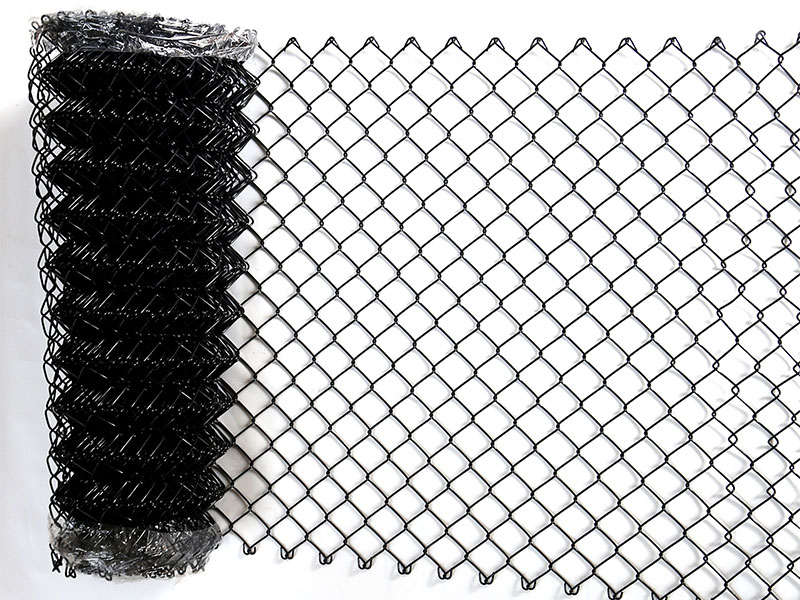
Chain wire fencing, also known as chain link fencing, is made by interweaving steel wires into a flexible diamond-shaped mesh. ()
Key characteristics:
Flexible and lightweight structure
Easy to transport and roll
Adapts well to uneven terrain
Lower material cost
What Is Welded Mesh Fencing?
Welded mesh fencing is manufactured by welding horizontal and vertical wires at each intersection, forming a rigid grid structure. ()
Key characteristics:
Strong and stable panel structure
Fixed shape with rectangular or square openings
Higher resistance to impact and deformation
Clean and modern appearance
Chain Wire vs Welded Mesh: Direct Comparison
Comparison Factor
Chain Wire Fencing
Welded Mesh Fencing
Structure
Woven (diamond mesh)
Welded rigid grid
Strength
Moderate
High
Flexibility
Very high
Low
Security Level
Medium
High
Installation
Requires tensioning
Easier, no tensioning
Terrain Adaptability
Excellent (uneven ground)
Best on flat surfaces
Appearance
Industrial look
Clean and modern
Cost
Lower
Higher
Durability
Good
Very good
Key Differences Explained
1. Strength & Durability
Welded mesh fencing is generally stronger because each wire intersection is welded, creating a rigid and stable structure that resists bending and impact. () Chain wire fencing, while durable, is more flexible and can deform under pressure.
2. Security Performance
Welded mesh provides higher security due to smaller openings and rigid construction, making it harder to cut or climb. () Chain link fencing offers visibility but is easier to climb or cut.
3. Installation & Handling
Chain wire fencing requires proper tensioning during installation, often needing specialized tools. () Welded mesh is easier to install, especially in panel form, as it can be directly fixed to posts.
4. Adaptability to Terrain
Chain wire fencing is ideal for uneven or sloped ground because it can follow contours easily. () Welded mesh works best on flat or level surfaces due to its rigid structure.
5. Cost Consideration
Chain wire fencing is typically more cost-effective, making it suitable for large-scale or budget projects. () Welded mesh fencing has higher upfront costs but offers longer-term performance in demanding environments.
6. Aesthetic Appearance
Welded mesh fencing provides a more uniform and modern look, often preferred for residential and commercial projects. () Chain wire fencing has a more utilitarian, industrial appearance.
Which Is Better? (Use Case Guide)
Choose Chain Wire Fencing If:
You need a cost-effective solution
The terrain is uneven or sloped
Flexibility and quick installation are priorities
The project is temporary or large-scale
Choose Welded Mesh Fencing If:
High security is required
You need strong, rigid panels
The site is flat and structured
Appearance and long-term durability matter
Industry Applications
Chain Wire Fencing:
Construction sites
Sports fields
Agricultural boundaries
Temporary fencing
Welded Mesh Fencing:
Industrial facilities
Infrastructure projects
Residential security fencing
High-security areas
Final Verdict
There is no one-size-fits-all answer:
Chain wire fencing is better for flexibility, cost savings, and uneven terrain
Welded mesh fencing is better for strength, security, and long-term performance
The right choice depends on your project priorities—budget vs security, flexibility vs rigidity, and temporary vs permanent use.
Hot tag
chain wire fencing vs welded mesh, chain link vs welded wire fence, welded mesh fencing advantages, chain link fence benefits, fencing comparison guide, security fencing solutions