Cattle Headbail: Essential Equipment for Safe Livestock Handling
Efficient livestock management requires reliable equipment that ensures both animal safety and handler protection. A Cattle Headbail is one of the most important tools used in cattle handling systems. It is designed to securely hold the head of a cow or bull in place, allowing farmers and veterinarians to perform essential procedures safely and efficiently.
From vaccination and ear tagging to health inspections and breeding management, the Cattle Headbail plays a vital role in modern cattle farming. It is widely used on beef cattle farms, dairy operations, veterinary facilities, and livestock yards.
What Is a Cattle Headbail?
A Cattle Headbail (also called a cattle head gate or head restraint) is a mechanical device that locks around the neck of a cow when the animal enters a cattle crush or race. Once secured, the animal cannot move forward or backward, which allows safe access for treatment or inspection.
The system typically works as follows:
The animal walks forward into the cattle crush.
Its head enters the headbail opening.
The operator closes the headbail mechanism.
The animal’s head and neck are gently secured.
This process keeps the animal stable and prevents sudden movement.
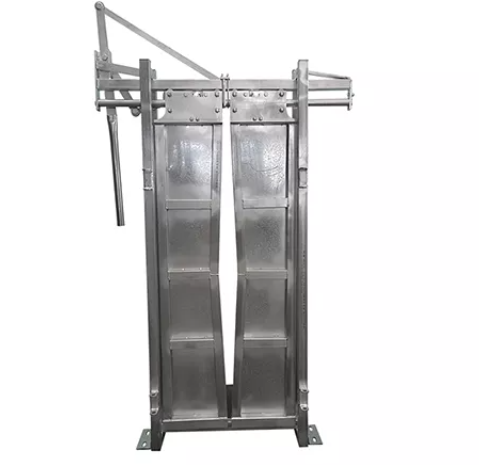
Importance of Cattle Headbail Equipment
Handling cattle without proper restraint equipment can be dangerous. A Cattle Headbail provides controlled handling conditions that benefit both livestock and workers.
Improved Safety
Large cattle can weigh over 500 kilograms, making them difficult to control manually. A headbail keeps the animal securely positioned and reduces the risk of injury to handlers.
Faster Livestock Management
When cattle are properly restrained, farm tasks can be completed much faster.
Examples include:
| Task | Benefit |
| Vaccination | Quick treatment of multiple animals |
| Ear tagging | Accurate identification |
| Pregnancy checking | Stable positioning for veterinarians |
| Hoof inspection | Safe access to the animal |
A Cattle Headbail greatly improves farm productivity.
Reduced Animal Stress
Modern headbail designs are created with animal welfare in mind. Smooth edges and controlled closing mechanisms prevent unnecessary pressure on the animal.
Calm cattle are easier to manage and less likely to become injured during handling.
Types of Cattle Headbail Systems
Different cattle operations require different types of headbail systems.
Manual Cattle Headbail
A manual Cattle Headbail is operated using a lever or handle.
Advantages include:
These systems are widely used on small and medium-sized farms.
Self-Catching Cattle Headbail
A self-catching headbail automatically closes when the animal moves forward into the opening.
Benefits include:
Self-catching headbails are popular in larger cattle operations.
Hydraulic Cattle Headbail
Hydraulic systems use powered mechanisms to control the head gate.
Key advantages:
smooth operation
minimal physical effort
suitable for large herds
Hydraulic headbails are often integrated into advanced cattle crush systems.
Key Components of a Cattle Headbail
A high-quality Cattle Headbail consists of several essential parts.
Neck Restraint Panels
These adjustable panels hold the animal’s neck securely while preventing injury.
Release Mechanism
A quick-release mechanism allows the operator to open the headbail quickly after the procedure is complete.
Lever or Control System
The control handle or hydraulic system allows operators to open and close the headbail easily.
Reinforced Frame
The frame must be strong enough to withstand the force of large cattle.
Most professional systems are made from heavy-duty steel.
Typical Specifications of Cattle Headbail Equipment
While specifications vary by manufacturer, the following are typical parameters.
| Parameter | Specification |
| Material | Heavy-duty galvanized steel |
| Width adjustment | Suitable for different cattle sizes |
| Height | Approximately 1.8 – 2.0 meters |
| Operation | Manual or hydraulic |
| Surface treatment | Hot-dip galvanized |
These features ensure durability and safe operation in livestock environments.
Benefits of Galvanized Steel Construction
Most Cattle Headbail systems are manufactured from galvanized steel.
Advantages include:
This material is particularly important for farms exposed to outdoor weather conditions.
Applications of Cattle Headbail Systems
A Cattle Headbail is widely used across the livestock industry.
Beef Cattle Farms
Beef producers use headbails for routine health checks, vaccinations, and herd management.
Dairy Farms
Dairy cattle require regular veterinary inspections and treatment, making headbail systems essential.
Veterinary Facilities
Veterinarians rely on headbails to safely examine and treat cattle.
Livestock Handling Yards
Headbails are commonly installed in cattle races and crush systems to manage large numbers of animals efficiently.
Choosing the Right Cattle Headbail
Selecting the right Cattle Headbail depends on the size of the farm and handling requirements.
| Factor | Importance |
| Material strength | Ensures durability |
| Adjustment range | Accommodates different cattle breeds |
| Ease of operation | Improves working efficiency |
| Safety design | Prevents injury to animals |
| Compatibility | Must fit existing cattle crush systems |
Investing in high-quality livestock equipment improves long-term farm productivity.
Technical Insights for Modern Cattle Handling Equipment
The livestock equipment industry continues to improve cattle handling technology.
Quiet Operation Design
Reducing noise during operation helps keep cattle calm and easier to manage.
Anti-Injury Structure
Rounded edges and smooth surfaces reduce the risk of injury to animals.
Integrated Livestock Handling Systems
Many Cattle Headbail systems are integrated with:
cattle crush systems
livestock races
weighing platforms
loading ramps
These integrated systems create a complete cattle management solution.
Frequently Asked Questions
What is the difference between a cattle crush and a cattle headbail?
A Cattle Headbail restrains the animal’s head and neck, while a cattle crush is the full structure that holds the animal’s body.
Is a cattle headbail safe for animals?
Yes. Modern designs prioritize animal welfare and are built to restrain cattle without causing injury.
Can a headbail handle different cattle breeds?
Most systems include adjustable neck openings to accommodate different cattle sizes and breeds.
How long does a cattle headbail last?
A high-quality galvanized steel Cattle Headbail can last many years with minimal maintenance.
Conclusion
Efficient livestock handling is essential for modern cattle farming, and a reliable Cattle Headbail is a key component of any professional cattle management system. By safely restraining animals during veterinary procedures and farm operations, headbails improve safety, reduce stress on livestock, and increase productivity for farmers.
With durable construction, adjustable designs, and integration with cattle crush systems, modern cattle headbails provide practical solutions for beef farms, dairy operations, and livestock handling facilities. Investing in high-quality cattle handling equipment ensures better animal welfare and more efficient farm management.

