Bird Netting Australia: Complete Guide to Protective Bird Netting for Agriculture, Gardens, and Buildings
Birds are an important part of natural ecosystems, but in many situations they can cause damage to crops, buildings, and commercial facilities. Farmers, gardeners, and property managers often use bird netting as a practical and humane method to prevent birds from accessing protected areas.
In Australia, bird netting is widely used in orchards, vineyards, warehouses, residential gardens, and poultry farms. High-quality bird netting Australia solutions create a physical barrier that prevents birds from entering spaces where they may cause damage or contamination.
As a professional supplier of protective mesh products, Wiremeshworld manufactures durable bird netting designed for long-term outdoor use. This article explains the types of bird netting, recommended specifications, installation techniques, and technical considerations for selecting the best netting system.
What Is Bird Netting?
Bird netting is a lightweight mesh barrier used to prevent birds from accessing specific areas. It is commonly manufactured from polyethylene, nylon, or wire mesh materials depending on the application.
Unlike traditional fencing, bird control netting is designed to cover large spaces such as fruit trees, crop fields, building openings, and rooftops.
Bird netting systems are commonly used in:
By installing proper bird netting Australia systems, property owners can reduce crop losses, prevent contamination, and maintain cleaner environments.
Why Bird Netting Is Effective for Bird Control
Compared with chemical deterrents or noise devices, bird netting provides a long-term and environmentally friendly solution.
Physical Barrier Protection
Bird netting creates a physical barrier that prevents birds from entering protected areas.
Humane Bird Control
Unlike traps or harmful methods, netting simply prevents access without injuring birds.
Versatile Applications
Bird netting can be installed over crops, buildings, balconies, or animal enclosures.
Durable Outdoor Performance
High-quality UV-resistant bird netting can withstand harsh sunlight and outdoor conditions.
Types of Bird Netting
Several types of bird netting Australia are available depending on the application and durability requirements.
| Bird Netting Type | Material | Key Features | Applications |
| Polyethylene Bird Netting | HDPE plastic | Lightweight and UV resistant | Agriculture |
| Nylon Bird Netting | Nylon fiber | High strength | Industrial facilities |
| Knotless Bird Netting | Polyethylene | Smooth structure | Gardens and trees |
| Knotted Bird Netting | Twisted nylon | Extra durability | Large crop areas |
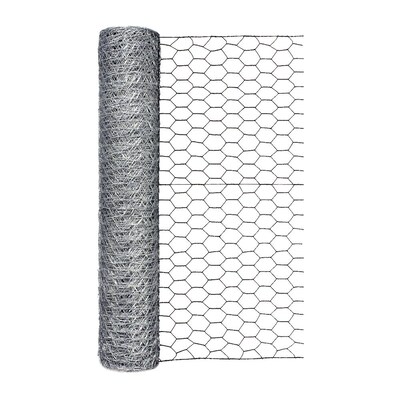
| Wire Bird Netting | Galvanized steel | Strong barrier | Poultry farms |
Among these options, HDPE bird netting is widely used across Australia because it combines durability, flexibility, and weather resistance.
Recommended Bird Netting Mesh Sizes
Different bird species require different mesh sizes to ensure effective protection.
| Target Bird Size | Mesh Opening | Typical Applications |
| Small birds | 15mm – 20mm | Sparrows, finches |
| Medium birds | 25mm | Pigeons and starlings |
| Large birds | 40mm – 50mm | Seagulls and crows |
| Orchard protection | 15mm – 25mm | Fruit trees |
| Poultry farm protection | 20mm – 30mm | Chicken houses |
Choosing the correct bird netting mesh size ensures birds cannot pass through the openings.
Bird Netting Material Comparison
Different materials affect the strength, durability, and cost of bird netting systems.
| Material | Durability | Weight | Cost | Typical Use |
| HDPE (High Density Polyethylene) | High | Lightweight | Moderate | Crop protection |
| Nylon | Very high | Medium | Higher | Industrial applications |
| Polypropylene | Medium | Lightweight | Low | Temporary netting |
| Galvanized Steel | Very high | Heavy | Higher | Poultry fencing |
For most agricultural and residential applications, HDPE bird netting offers the best combination of durability and affordability.
Typical Bird Netting Roll Sizes
Bird netting is typically supplied in rolls or large sheets for convenient installation.
| Net Width | Net Length | Application |
| 2 m | 50 m | Garden protection |
| 4 m | 50 m | Fruit tree coverage |
| 6 m | 50 m | Vineyard rows |
| 8 m | 100 m | Orchard protection |
| 10 m | 100 m | Large agricultural areas |
Custom netting sizes are also available depending on project requirements.
Technical Features of High-Quality Bird Netting
When selecting bird netting Australia, several technical features should be considered.
UV Resistance
Bird netting must withstand prolonged exposure to strong sunlight without degrading.
Lightweight Structure
Lightweight netting allows easy installation over crops and structures.
High Tensile Strength
Strong fibers prevent tearing and extend the lifespan of the netting.
Weather Resistance
Durable netting materials can withstand rain, wind, and temperature changes.
Flexible Installation
Bird netting can be cut and adjusted to fit different structures.
Bird Netting Installation Methods
Proper installation ensures that bird netting systems provide effective protection.
Step 1: Install Support Structures
Use poles, cables, or frames to support the netting.
Step 2: Stretch the Netting
Stretch the netting evenly to avoid sagging.
Step 3: Secure the Edges
Attach netting to the structure using clips, hooks, or tie wires.
Step 4: Seal Openings
Ensure there are no gaps where birds can enter.
Step 5: Inspect Regularly
Check the netting periodically for tears or damage.
Common Applications of Bird Netting
Bird netting Australia is used across multiple industries and environments.
Agricultural Crop Protection
Farmers use bird netting to protect fruits, vegetables, and grains from bird damage.
Vineyards and Orchards
Bird netting helps protect grapes and fruit trees during harvest seasons.
Poultry Farms
Netting prevents wild birds from entering poultry houses and spreading disease.
Residential Gardens
Homeowners install bird netting over gardens to protect plants and fruit trees.
Industrial Facilities
Warehouses and factories use netting to prevent birds from nesting inside buildings.
Advantages of Wiremeshworld Bird Netting
Wiremeshworld provides high-quality bird netting designed for durability and reliable protection.
Key advantages include:
UV-stabilized netting materials
High tensile strength fibers
Lightweight and flexible design
Long outdoor service life
Custom sizes available
Stable export supply
With international manufacturing experience, Wiremeshworld supplies dependable bird netting Australia products suitable for agriculture, industry, and residential projects.
Cost Factors for Bird Netting
Several factors influence the price of bird netting systems.
| Price Factor | Impact |
| Netting material | Nylon costs more than HDPE |
| Mesh size | Smaller openings increase cost |
| Net thickness | Thicker netting increases durability and price |
| Net size | Larger nets increase total cost |
| Order quantity | Bulk orders reduce price |
Buying bird netting directly from manufacturers can significantly reduce costs for large agricultural projects.
Maintenance Tips for Bird Netting
Proper maintenance helps extend the lifespan of bird netting Australia installations.
Inspect netting regularly for damage
Repair holes immediately
Remove accumulated debris
Maintain proper tension
Store unused netting in dry areas
With proper care, high-quality bird netting can last several growing seasons.
FAQ About Bird Netting
What mesh size is best for bird netting?
Mesh sizes between 15mm and 25mm are commonly used to protect crops from small and medium birds.
Is bird netting safe for birds?
Yes. Properly installed bird netting prevents access without harming birds.
How long does bird netting last?
High-quality UV-resistant bird netting can last 5–10 years depending on environmental conditions.
Can bird netting be reused?
Yes. Many agricultural netting systems can be removed and reused for multiple seasons.
Does bird netting work for gardens?
Yes. Gardeners widely use bird netting Australia to protect fruit trees, vegetables, and berry plants.
Conclusion
Bird damage can significantly affect agricultural production, property maintenance, and food safety. Installing high-quality bird netting is an effective and environmentally friendly method to protect crops, buildings, and outdoor spaces.
When selecting bird netting Australia, it is important to consider mesh size, material type, UV resistance, and installation methods. Choosing the correct netting specification ensures long-term protection and reliable performance.
Wiremeshworld supplies professional bird control netting solutions designed for agricultural, residential, and industrial applications. With durable materials and customizable sizes, the company provides dependable bird netting products for Australian customers.
By implementing properly installed bird netting systems, property owners and farmers can protect valuable resources while maintaining safe and humane wildlife management practices.

